Porcupine Mushroom Forest Tumbler Wraps Graphics
When I first opened the Porcupine Mushroom Forest 40oz Tumbler asset, I immediately recognized the kind of visual mood that works well for earthy, story-driven brands. This is not a generic, throw-away graphic. It carries a distinct woodland atmosphere—somewhere between whimsy and grounded naturalism—that can elevate a product line if applied with intention. As a graphic design asset, it leans into illustration style, texture, and thematic cohesion rather than sterile minimalism, which makes it a strong candidate for certain client projects and a risky choice for others.
First Impressions and Visual Mood
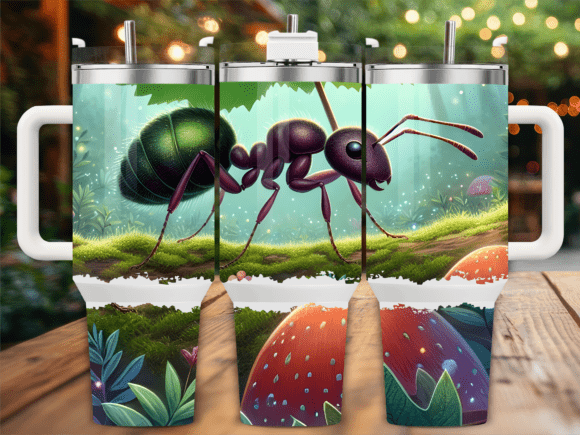
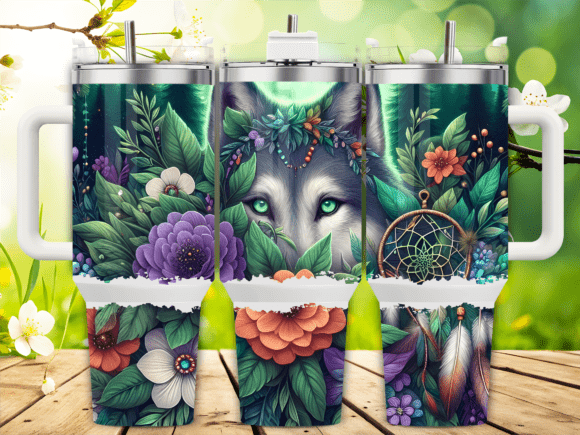
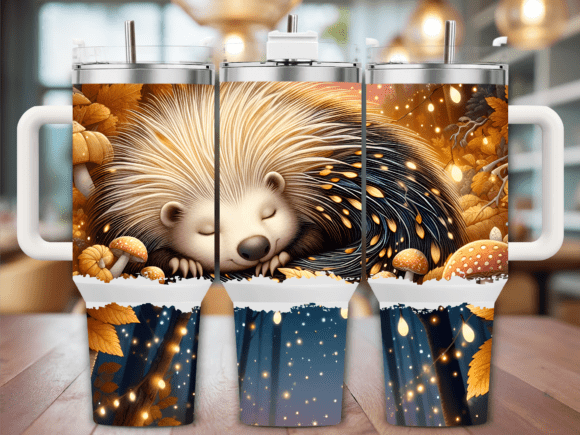
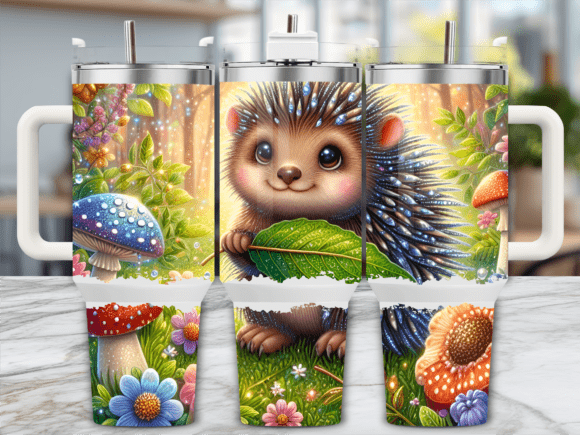
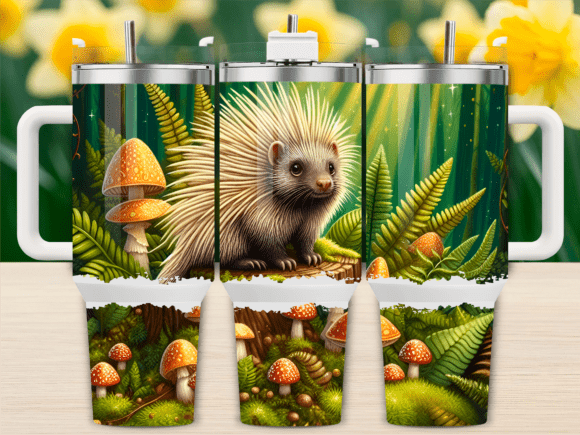
The first thing that struck me about the Porcupine Mushroom Forest 40oz Tumbler is how the design builds a narrative. The porcupine character, combined with the mushroom forest setting, creates a scene that feels both playful and calm. The color palette appears to draw from forest neutrals, soft greens, earthy browns, and muted accent tones. This gives the creative design a natural, approachable quality that could work beautifully for handmade brands, children’s product lines, or rustic home goods. The illustration style feels contemporary but not trend-driven, which means it could remain visually relevant beyond a single season.
From a professional standpoint, I appreciate that the asset comes as a set of three part PNG files, specifically tailored for a 40oz tumbler format. The dimensions provided—top at 12.5″ x 5.8″ straight, bottom at 10.53″ x 3.66″ straight, and bottom at 10.53″ x 3.66″ tapered—show that the creator understood the physical constraints of a tumbler wrap. That attention to dimensional accuracy saves designers time during mockup and production. It also reduces the risk of alignment errors when applying the design to an actual product.
A Real Project Scenario That Fits This Asset
Let me walk through a realistic client case. I recently consulted on branding and packaging for a small-batch apothecary that specializes in forest-foraged ingredients. The client wanted a cohesive look across their product line: tincture labels, soap wraps, candle jars, and a limited-edition tumbler for their seasonal subscription box. The Porcupine Mushroom Forest 40oz Tumbler became a natural reference point for the visual direction. Its hand-drawn feel and woodland theme aligned with the brand’s narrative of wildcrafting and slow living.
In that context, the asset functioned as both a standalone wrap design and a source of visual inspiration for supporting pieces. The porcupine motif could be extracted and used as a decorative accent on hang tags or social media graphics, while the mushroom forest background provided texture that translated well into repeating patterns for packaging paper. For a handmade business or an Etsy product launch, this kind of design bundle adds instant personality without requiring a custom illustration commission.
How the Design Performs Across Different Applications
The Porcupine Mushroom Forest 40oz Tumbler performs best when the design is given room to breathe. As a hero graphic on a tumbler, it creates a focal point that draws the eye. The scene composition works naturally in a horizontal wrap format, which is exactly what a tumbler surface provides. I would also feel confident using this asset on product packaging, sticker design, tote bags, and even t-shirt design for a nature-themed retail line. The illustration density is moderate enough to hold interest without overwhelming the viewer.
Where the Porcupine Mushroom Forest 40oz Tumbler shows its versatility is in its ability to support a broader brand identity. If the client already has a logotype, the asset can sit behind it as a background element on a product label or a social media post. The muted tones in the design prevent it from competing with bold typography, especially if you pair it with a clean sans serif or a rounded serif. For marketing visuals like Instagram posts or Pinterest pins, the illustration provides a ready-made backdrop that feels curated rather than generic.
I also tested how the design reads in smaller formats. At postage-stamp size, the porcupine character remains recognizable, though some of the finer mushroom details begin to blur. This means the asset works for social media graphics and thumbnail images, but I would avoid scaling it down below about two inches in width for print applications. For web design or blog visuals, the asset can be used as a hero image or a decorative border, provided the resolution stays high enough to avoid pixelation on retina screens.
Where to Use This Asset Generously
Large layout areas are where the Porcupine Mushroom Forest 40oz Tumbler truly shines. Think product mockups, hero banners on an online store, or full-bleed packaging wraps. The scene has enough visual interest to carry a wide format without feeling stretched. If you are designing for a print-on-demand project or a Cricut project, the PNG files allow for easy layering on tumblers, mugs, or even laptop skins. The fact that the asset includes both straight and tapered bottom pieces suggests the creator considered real-world production constraints, which is a sign of a well-prepared digital product.
For a seasonal campaign—such as a fall or forest-themed product launch—this asset can serve as the visual anchor. Its earthy color palette pairs well with kraft paper, linen textures, and warm metallic foils. If the client sells at farmers markets or craft fairs, the design would look compelling on table displays, signage, and promotional flyers. It also lends itself well to editorial design for a nature magazine or a small-press publication that features foraging, herbalism, or outdoor lifestyles.
Where Caution Is Warranted
I would advise caution when using the Porcupine Mushroom Forest 40oz Tumbler in projects that demand a clean, minimal, or highly corporate visual hierarchy. The illustration is dense enough that it can compete with other elements if placed in a crowded layout. On a business card, for example, it would likely overwhelm the contact information. Similarly, for a luxury brand that relies on negative space and restrained color, this asset may feel too playful or rustic. It is not a universal fit, and that is fine—no good commercial design asset should try to be everything to everyone.
I also recommend testing contrast levels carefully. On a very dark background, some of the shadow areas in the illustration may lose definition. On a very light background, the design may appear washed out if the original PNG transparency is not layered over a complementary base color. If you are using the asset in a Canva template or a sublimation design, preview it in grayscale to ensure the value structure holds up. This is a standard check I run on any illustration or clipart before committing it to a client deliverable.
Readability, Hierarchy, and Brand Consistency
Because the Porcupine Mushroom Forest 40oz Tumbler is an illustrated scene rather than a pattern or a simple graphic, it naturally draws attention to itself. In a logo design context, it would function better as a supporting visual than as the primary mark. If the client wants the porcupine character to be part of their brand identity, I would recommend isolating the character and simplifying it for use as a mascot or icon. The full scene works best on products where the design can be the hero, such as a tumbler, a poster, or a tote bag.
In terms of brand consistency, this asset will harmonize with other nature-themed visuals, hand-drawn typography, and organic textures. It will feel out of place alongside sleek geometric elements or ultra-modern sans serif typefaces. If the client’s existing brand uses clean, corporate fonts, consider whether the introduction of this illustrated style aligns with their long-term visual strategy. For a small business branding project, it can be a wonderful differentiator. For a large-scale, multi-channel campaign, it may require additional supporting assets to feel cohesive.
Practical Designer Notes Before Using Commercially
Before I use any design assets in a client project, I run a checklist. Here is what I did with the Porcupine Mushroom Forest 40oz Tumbler:
- Tested in black and white to check value contrast. The design holds up in grayscale, though the porcupine and foreground mushrooms separate well from the background. This means it will print decently in monochrome if needed.
- Previewed on light and dark backgrounds. The PNG transparency allows for flexible placement, but I recommend a medium-toned background (like kraft brown or sage green) to make the design pop. On pure white, some of the lighter elements soften. On pure black, the dark shadows lose detail.
- Scaled up and down in my layout software. At full size on a 40oz tumbler mockup, the asset looks crisp and well-proportioned. Scaled to about 60%, it still reads clearly. Below that, the finer details in the mushroom forest begin to compress.
- Checked file formats. The asset is provided as PNG files, which is standard for layered print projects. For vector-based editing, you may need to trace the design or request an SVG version if the creator offers one. If you are planning to use this in a Cricut project that requires cut lines, the PNG format should work if you import it properly into your design software.
- Reviewed commercial licensing. Always confirm that the commercial license allows client use, especially if the design will be used on products sold through a print-on-demand service or a creative marketplace. This asset is listed under a digital product category, but the specific usage rights should be verified before adding it to a client’s brand package.
I also recommend testing the asset with different type styles. I paired it with a rounded sans serif, a soft serif, and a handwritten script. The script font felt the most natural, echoing the hand-drawn quality of the illustration. The rounded sans serif worked well for a clean, modern contrast. A sharp, geometric sans serif felt mismatched. If the client already has a font family established, place the asset next to it and evaluate the visual tension early in the design process.
Why This Asset Works for Print-on-Demand and Handmade Businesses
For anyone selling through Etsy, a creative marketplace, or a direct-to-consumer site, the Porcupine Mushroom Forest 40oz Tumbler offers a complete visual story that can be applied to multiple products. A single theme across tumblers, mugs, stickers, and T-shirts builds product line cohesion, which tends to increase average order value. Shoppers who connect with the forest theme may purchase more than one item because the design feels like a collection rather than an isolated graphic.
As a print-on-demand seller, having a design that fits a specific product format—like a 40oz tumbler—with exact dimensions saves time and reduces waste from misaligned prints. The inclusion of both straight and tapered bottom pieces shows a level of detail that suggests the creator tested the design on actual blanks. That kind of preparation matters when you are producing small batches and cannot afford to reprint.
Final Judgment from a Designer’s Perspective
The Porcupine Mushroom Forest 40oz Tumbler is not a one-size-fits-all graphic. It is a purpose-built graphic design asset that excels in thematic, nature-oriented, and artisanal contexts. For designers working with boutique brands, seasonal product lines, or forest-themed collections, this asset can save hours of custom illustration time while still delivering a polished, cohesive result. It performs well in large and mid-sized layouts, supports print-on-demand workflows, and brings a warm, illustrative tone that resonates with audiences seeking character and authenticity.
Where I would hesitate is in any project that requires extreme minimalism, high-density information, or corporate restraint. That is not a weakness of the asset—it is a matter of fit. Part of professional design judgment is knowing when a digital product like this serves the client’s goals and when it would detract from them. In the right hands and the right project, the Porcupine Mushroom Forest 40oz Tumbler is a genuinely useful tool for bringing a forest-themed vision to life.